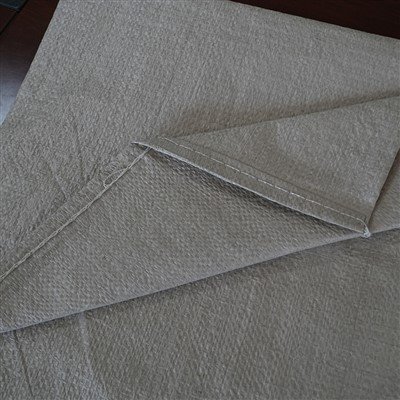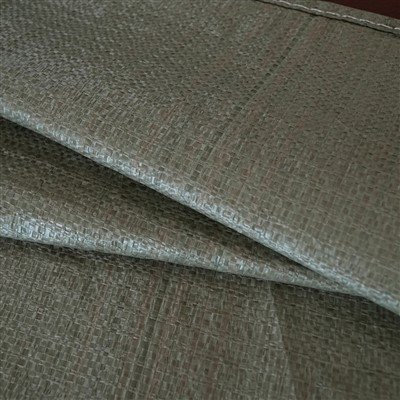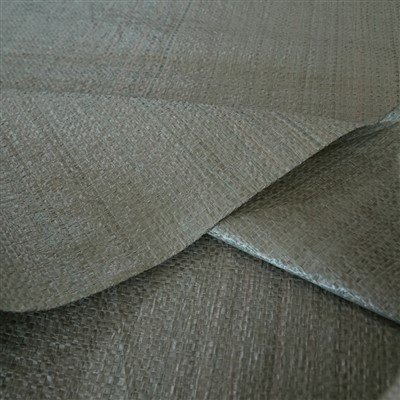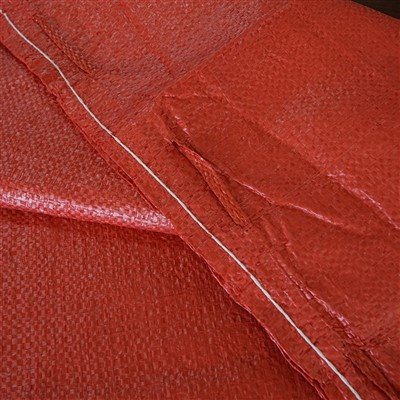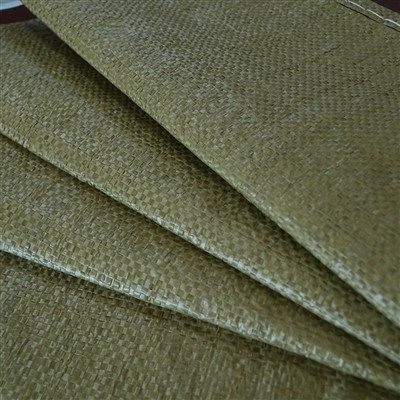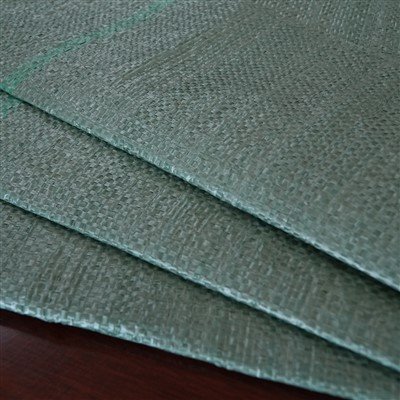

The production process for PP woven bags typically begins with polypropylene granules, which are first subjected to melt extrusion to produce filaments. The raw polypropylene material is fed into an extruder and heated to a molten state; it is then extruded through a die to form a film, which is subsequently slit into flat tape-like strands. This stage establishes the foundation for weaving performance, as the uniformity and strength of these flat tapes directly determine the quality of the final woven bag.
Following filament production, the flat tapes undergo stretching (orientation) and cooling (heat setting) to enhance their tensile strength and toughness before being wound onto rolls. Next comes the weaving stage, where a circular loom interlaces the warp and weft flat tapes at a specific density to create a continuous tubular woven fabric. This process demands high equipment precision and strict tension control to ensure a uniform fabric structure and consistent density.
Once woven, the fabric undergoes further processing based on the intended application-including cutting, sewing, lamination, printing, and the insertion of liners-to produce the finished PP woven bag. The finished products must pass quality inspections covering dimensions, appearance, and strength before being packaged and placed in storage. The entire production process is characterized by high continuity and a high degree of automation, making it suitable for large-scale industrial manufacturing.