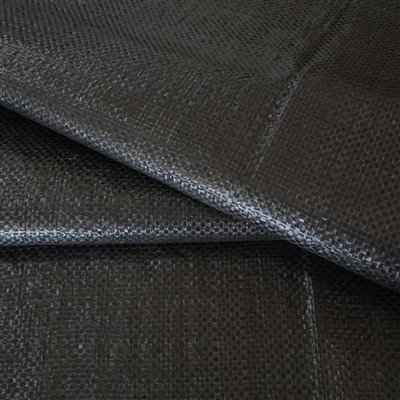

Polypropylene (PP) serves as the primary raw material for agricultural woven bags. As a thermoplastic resin, polypropylene is extruded into flat tapes, which are then interwoven to create a woven structure. Characterized by low density, light weight, and high strength, the material meets the fundamental packaging requirements for storing and transporting agricultural supplies such as grain, fertilizers, seeds, and animal feed.
To enhance the overall performance of these bags, functional additives are typically incorporated into the polypropylene base material. For instance, antioxidants delay material aging, while UV stabilizers improve weather resistance, making the bags suitable for use in fields or outdoor storage. Additionally, color masterbatches are added to create distinct colors, facilitating categorized management and identification during transport; these additives enhance product versatility without compromising the material's core properties.
For specialized agricultural woven bags, composite structures are employed to further optimize performance. Examples include laminating a polyethylene (PE) film onto the exterior of the woven layer or inserting a PE liner inside the bag to improve moisture and water resistance. This structural design effectively minimizes the impact of external moisture on agricultural products and extends shelf life, thereby better meeting the demands of modern agricultural warehousing and logistics.