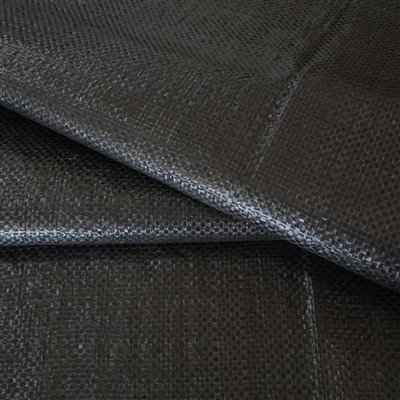

The environmental philosophy behind industrial woven bags centers on material recyclability and resource circulation. Polypropylene, the primary raw material, is a thermoplastic; after use, it can re-enter the production cycle through processes such as collection, cleaning, and re-granulation, thereby alleviating the environmental burden caused by single-use packaging materials. This recyclability grants them a distinct environmental advantage in the industrial packaging sector.
During the production and design phases, industrial woven bags are increasingly trending toward lightweight construction and material efficiency. By optimizing weave density, carefully controlling unit weight, and improving manufacturing processes, manufacturers can reduce raw material consumption-and thus minimize waste at the source-while maintaining essential load-bearing capacity. Furthermore, some enterprises are lowering carbon emissions by boosting production efficiency and reducing energy consumption, aligning the overall manufacturing process with green production standards.
The environmental ethos also extends to prolonging product lifespan and minimizing waste generation. Industrial woven bags are designed for multiple uses-achieved through enhanced UV resistance, superior abrasion resistance, and composite structures-which reduces the frequency of replacement. At the end of their service life, centralized processing through standardized recycling systems helps mitigate environmental pollution and advances the goal of sustainable development for industrial packaging materials.