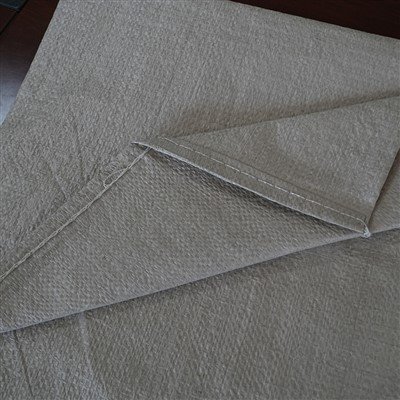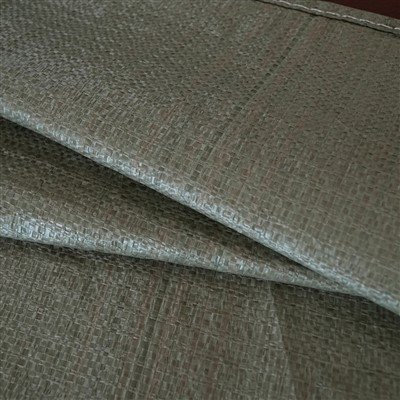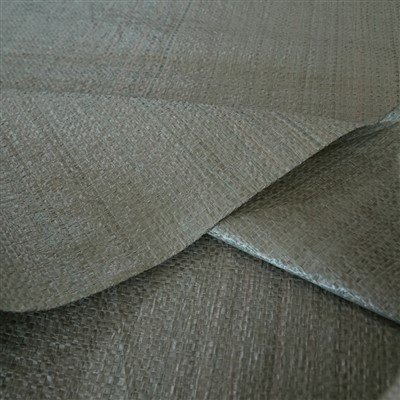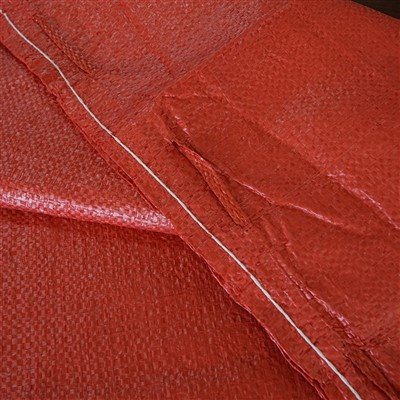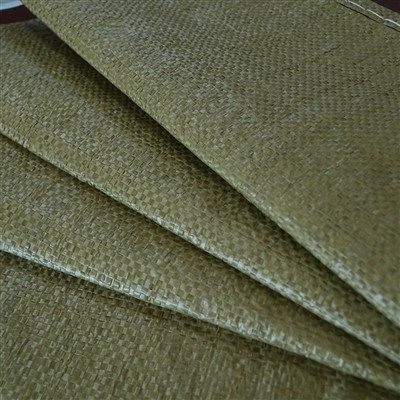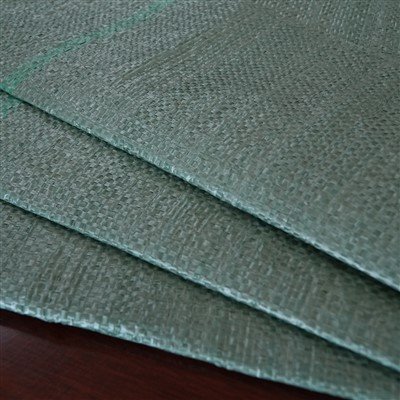

The "fineness" of industrial woven bags typically refers to the linear density (measured in denier or tex) of the polypropylene flat yarns-that is, the mass of the fiber per unit length. This parameter is a key factor influencing the bag's strength, flexibility, and the visual quality of the finished product. In practice, higher flat yarn fineness generally results in greater individual yarn strength but may reduce the overall flexibility of the bag; conversely, lower fineness yields a lighter, thinner bag but results in a corresponding decrease in load-bearing capacity.
Requirements for flat yarn fineness vary significantly depending on the industrial application. For instance, woven bags intended for heavy materials like cement or mineral powder typically utilize coarser flat yarns to enhance overall tensile strength and abrasion resistance. In contrast, bags used for plastic granules or lightweight chemical products may employ finer yarns to strike a balance between cost and performance. Selecting the appropriate fineness allows the product to meet the specific performance demands of various industrial scenarios.
Regarding production, flat yarn fineness is primarily determined by extrusion parameters and the draw ratio; factors such as extrusion temperature, cooling rate, and haul-off speed all influence the final fineness. Consequently, precise control of these process parameters is essential during production to ensure yarn uniformity and stability, thereby maintaining consistent quality across the finished industrial woven bags.