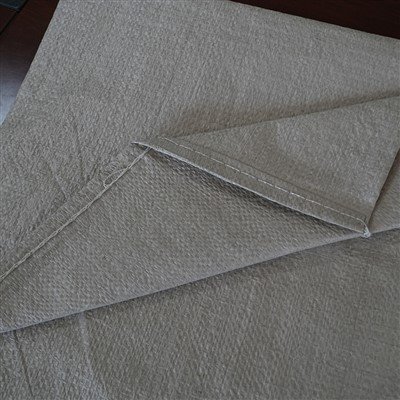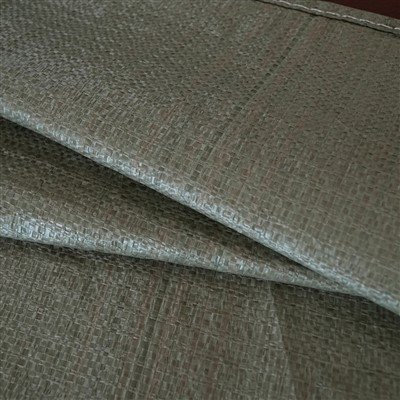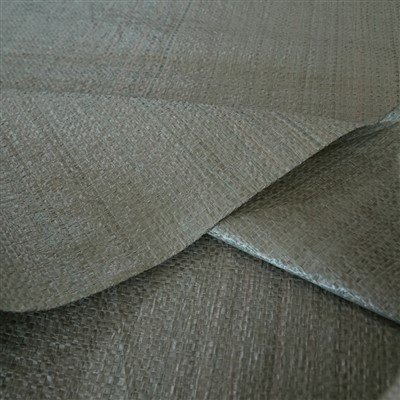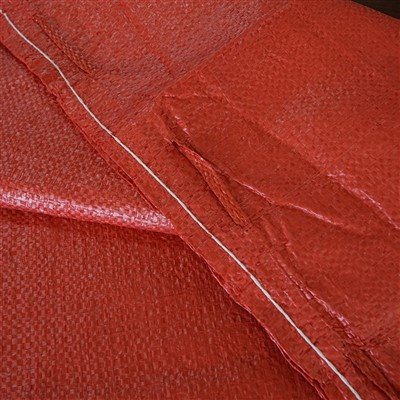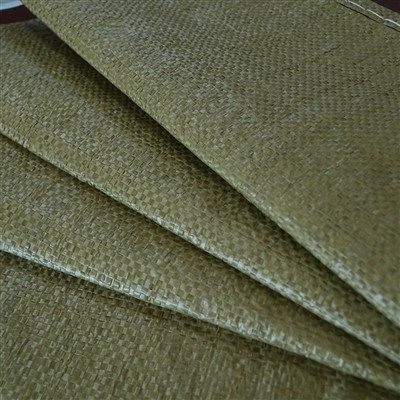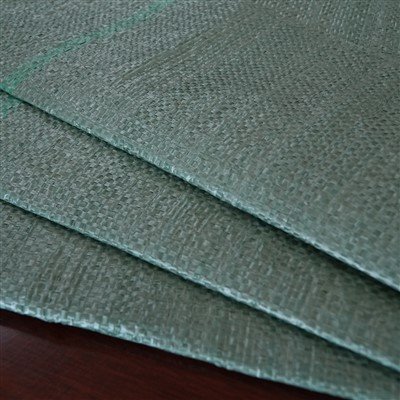

As the industrial production of polypropylene (PP) matured, the material began to be processed into flat tapes for use in woven structures, serving as a replacement for traditional jute and cotton sacks. Offering distinct advantages in strength, corrosion resistance, and cost-effectiveness, this new material was quickly adopted in the packaging sector, laying the foundation for early forms of plastic woven packaging.
Continuous improvements in extrusion-drawing and circular weaving technologies led to significant gains in both production efficiency and product quality. The introduction of mechanized, continuous production processes enabled large-scale industrial manufacturing and fostered the standardization of specifications. During this period, PP woven bags saw widespread adoption in the transport of bulk commodities-such as grain, fertilizers, and cement-gradually displacing certain traditional packaging materials.
PP woven bags have undergone continuous evolution in structural design and functionality, progressing from simple woven structures to multifunctional composite products featuring lamination, liners, and UV resistance. Concurrently, the growing emphasis on environmental sustainability has driven a shift toward recyclability and lightweight designs. Today, PP woven bags not only hold a pivotal position in traditional industrial sectors but also continue to expand into diverse applications-including logistics, e-commerce, and emergency supplies-establishing themselves as a mature and widely utilized packaging material.