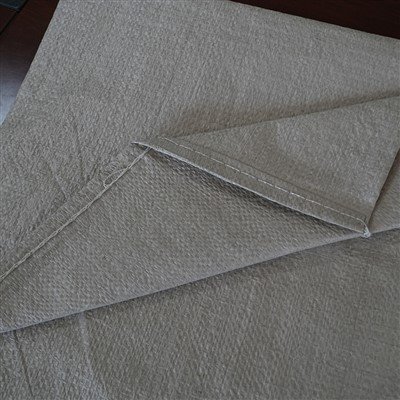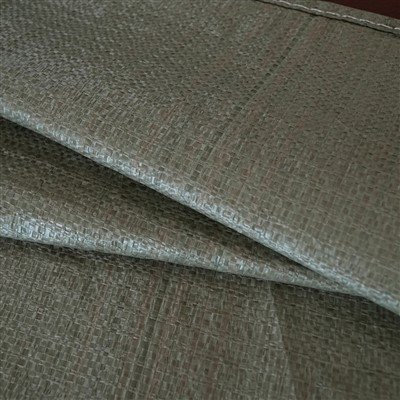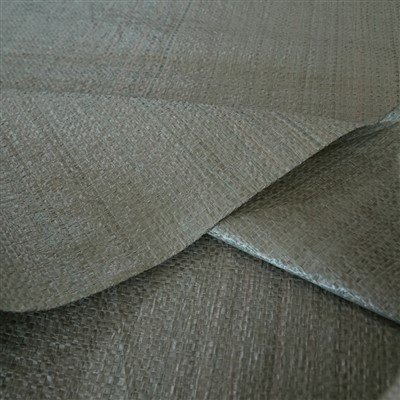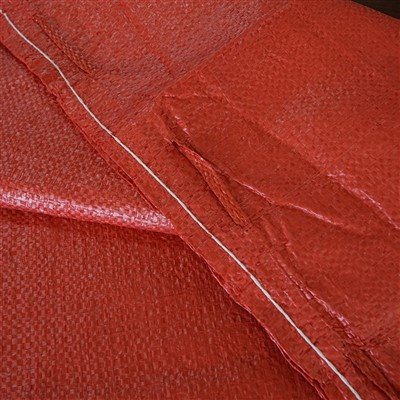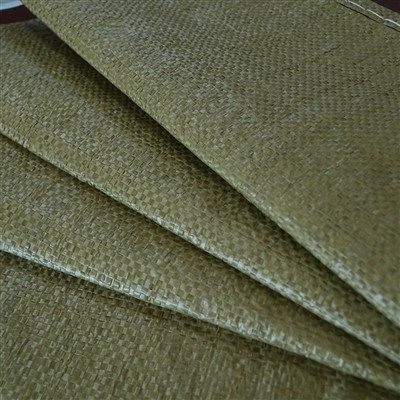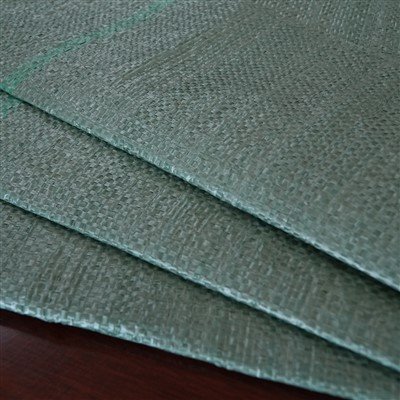

When selecting functional woven packaging bags, one must first clarify specific requirements, including the type and weight of the material to be packaged, as well as storage and transportation conditions. Different materials impose varying performance demands on the packaging; for instance, powdery or dust-prone materials require superior sealing and leak-proof capabilities, whereas granular or block-shaped materials prioritize impact resistance and load-bearing capacity. Therefore, a comprehensive assessment based on actual application scenarios is essential before selection to avoid performance issues caused by mismatched specifications.
Material and structural choices should focus on the quality of the polypropylene raw material, the weave density, and the presence of functional design features. For products requiring moisture protection or long-term storage, laminated woven bags or those with liners are preferable; for applications involving mechanized filling, options such as valve bags-which are compatible with automated equipment-are suitable. Additionally, factors such as the bag's fabric weight and stitching quality must be considered, as these directly impact load-bearing capacity and operational safety.
The purchasing process should also take into account the manufacturer's qualifications and product testing standards. Compliant functional woven bags should possess relevant quality inspection reports and meet industry standards. Furthermore, customization options-such as size adjustments, printed branding, and color coding-can be selected to enhance packaging management efficiency and corporate visibility. A well-informed selection process effectively improves the stability and cost-effectiveness of the packaging system.