
You send the same bag size and printing artwork to five suppliers. A few days later, you receive five quotations with noticeably different prices.
This happens quite often when sourcing woven packaging from overseas manufacturers. At first glance, the products may look identical. The difference usually comes from what is used inside the bag and how it is manufactured.
For purchasing managers, understanding these details makes it easier to compare quotations without choosing a product that may cause problems later.
Start With the Polypropylene Material
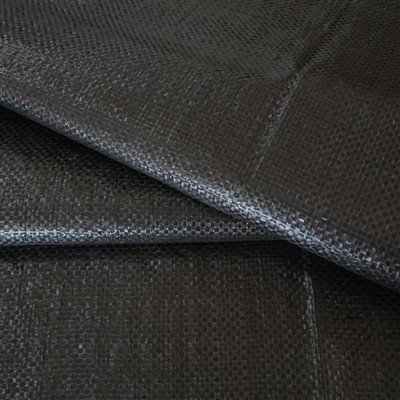
Most standard woven agricultural sacks are made from polypropylene (PP). It is converted into tapes, which are then woven into fabric.
Raw material prices change over time, so manufacturers may adjust their quotations accordingly. The material grade and composition can also affect the cost.
Some buyers focus only on the quoted price per piece. A better approach is to ask whether the supplier is quoting based on virgin PP material, recycled content, or a particular material specification.
These details matter when comparing Agricultural Woven Bags from different factories. Two bags with the same dimensions may have different material costs and physical properties.
Fabric Weight Can Make a Noticeable Difference
Imagine ordering a 50 kg bag. One supplier quotes a fabric weight of 65 GSM, while another offers 75 GSM.
The second option uses more material, which can increase the production cost. However, it does not automatically mean the bag is the better choice. Tape quality, weaving density, and seam construction also need to be checked.
If your current bags are already working well, provide a sample or a complete specification sheet. This gives suppliers a clearer reference and reduces the chance of receiving quotations based on different assumptions.
Printing and Additional Features Add Up
A plain woven bag is generally less complicated to produce than one with several colors, special dimensions, or extra components.
BOPP lamination, polyethylene liners, gussets, reinforced stitching, and special closures all affect the final price.
Consider whether these features are actually needed.
For example, a fertilizer distributor selling branded products may prefer laminated bags because they provide a suitable surface for detailed graphics. A grain wholesaler shipping bulk products may have little reason to pay for the same printing finish.
The right specification depends on how the packaging will be used and sold.
Order Quantity Is Not the Only Thing That Matters
Larger orders can reduce certain production costs per bag. Printing preparation and machine setup can be spread across more units.
But ordering more than you can use is not always a good purchasing decision. Storage space, inventory turnover, and cash flow should also be considered.
If you are testing a new supplier, starting with a manageable order may be more sensible than immediately committing to a very large quantity.
Look at the Cost After Delivery
A cheap bag can become expensive if it tears during filling or causes product leakage during transportation.
When comparing Agricultural Woven Bags, check the complete quotation. It should clearly state the material, dimensions, GSM, printing, additional features, packaging method, and delivery terms.
Ask questions whenever two quotations seem unusually different.
The goal is not to buy the most expensive bag or the cheapest one. It is to understand what each supplier is offering and decide whether the specifications are suitable for your business.