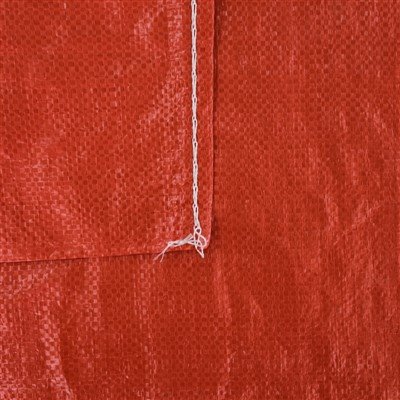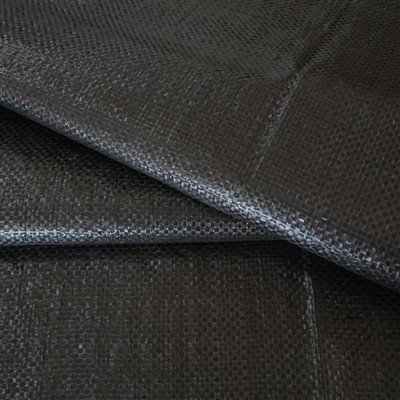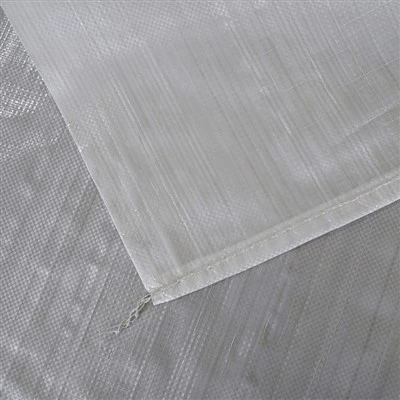

When a filling line is running at full capacity, even a small packaging issue can slow everything down. An operator may need to adjust a bag by hand, stop the machine to correct a poor fit, or deal with material spilling around the filling station. These problems may seem minor, but when they happen throughout a shift, they can affect overall production output.
For manufacturers handling powders, granules and other bulk materials, Industrial Woven Bags should be selected with the filling process in mind, not just the product being packed.
Start With the Way Your Equipment Works
Before choosing a bag design, look at how bags are loaded onto the filling machine. Some systems require an opening that can be positioned quickly, while others depend on a specific bag shape to hold the package securely during filling.
If the opening is too narrow, workers may spend extra time fitting bags onto the filling spout. If the fabric is too flexible for the equipment, the bag may not stay in the correct position. Both issues can create unnecessary interruptions.
Buyers should provide their equipment type, filling method and preferred bag dimensions when requesting samples. A manufacturer can then assess whether adjustments to the opening, gusset or overall construction would make the packaging easier to handle.
Consider How Bags Behave During Filling
The material inside the bag affects how the packaging performs. Free-flowing plastic granules may fill differently from fine mineral powders or products that tend to bridge around the filling outlet.
For dusty materials, the closure method and the fit around the filling spout deserve particular attention. Where necessary, buyers can discuss liners, coated fabric or alternative closure designs with the manufacturer. The goal is to address the actual source of leakage rather than add features that may not be needed.
Printing and handling marks can also make a difference on busy production floors. Clear identification helps operators distinguish between products, sizes or production batches without repeatedly checking separate paperwork.
Make Manual Handling Easier
Even automated facilities still rely on people for certain tasks. Workers may need to open empty bags, position them, remove filled packages or prepare them for palletizing.
Bag dimensions, surface finish and construction can influence how easily these tasks are performed. If the bags are too bulky to open comfortably or difficult to keep in position, operators may need additional handling time.
When evaluating Industrial Woven Bags, ask for samples that can be tested on your actual equipment. A short production trial can reveal problems that are difficult to identify from photographs or a specification sheet.
Test Before Changing the Entire Order
A practical trial does not need to be complicated. Run a representative quantity through the normal filling process and observe how often operators need to intervene. Check for spillage, bag slippage, closure difficulties and any visible damage after filling.
It is also useful to collect feedback from the people who work with the packaging every day. They often notice handling issues long before those problems appear in production reports.
The right Industrial Woven Bags can support a smoother filling operation when their dimensions and construction match the equipment. For buyers, the real benefit is not simply having a suitable bag. It is reducing avoidable interruptions and helping the production team maintain a steady working rhythm.