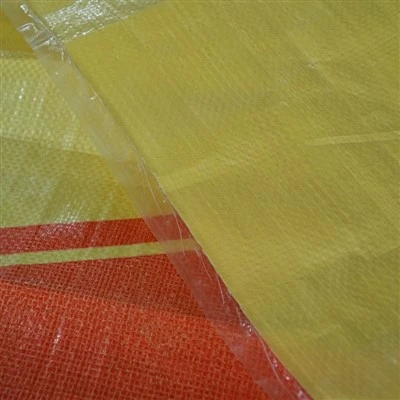

Grain bags are handled several times between filling and final delivery. They may be moved by workers, placed on pallets, stacked in warehouses, and transported over long distances. Bag quality and storage conditions both affect how well the grain is protected.
Fabric Strength and Stitching
Polypropylene woven bags are commonly used for rice, wheat, corn, and other dry grains. Their performance depends on the fabric construction, bag size, and stitching quality.
The required strength depends on the filling weight and handling method. Bags used for repeated handling or heavy stacking may need a stronger construction than those used for short-term storage.
Buyers should confirm the intended load capacity with the supplier. Checking seam quality and conducting a filling test can help identify problems before a large order is delivered.
Keep Grain Dry
Woven fabric allows some air exchange but does not provide a waterproof barrier. Rain, damp floors, and unsuitable warehouse conditions can expose grain to moisture.
Store filled bags in a dry area and use pallets to keep them off the floor. Leave enough space for inspection and routine warehouse handling.
If extra moisture protection is required, buyers can discuss coated fabric or an inner liner. The appropriate choice depends on the grain and storage conditions. Packaging alone cannot correct grain that is stored at an unsuitable moisture level.


Plan Stacking and Transportation
Bag dimensions affect pallet arrangement and storage space. Bags that are too full or filled unevenly may also be difficult to stack.
Before ordering agricultural woven bags, buyers should explain whether the bags will be palletized or loaded directly into a vehicle or container. This information helps determine suitable dimensions and construction.
Consistent filling weights and proper stacking also help reduce movement and damage during transportation.
Use Clear Product Identification
Printed information can make warehouse operations easier. Product names, net weights, batch references, and company logos help workers identify different shipments.
Buyers should confirm the printing design and placement before production, particularly when using private-label packaging.
Purchasing Checklist
Before placing an order, confirm:
Grain type and filling weight
Bag dimensions and fabric construction
Stitching and closure method
Moisture protection requirements
Storage and transportation conditions
Printing and identification details
Suitable agricultural woven bags should match the grain, load, and handling process. Good storage practices and consistent bag quality help reduce spills and packaging damage.