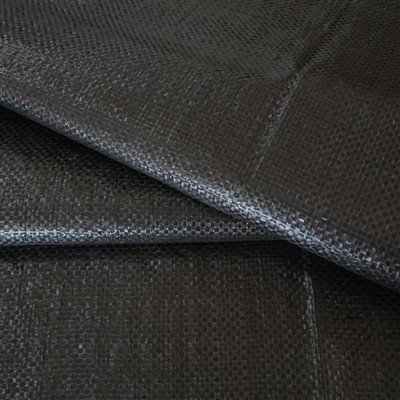

Choosing the right bag depends on the material being packed, the filling process, and how the bags will be stored and transported. A bag used for plastic pellets may not need the same construction as one used for cement or fertilizer.
Before requesting a quotation for Industrial Woven Bags, buyers should identify the main requirements of their products and packing operations.
Consider the Material
Different materials place different demands on packaging.
Fine powders may leak through small openings in the fabric or seams. Depending on the product, a coated surface or inner liner may help reduce leakage.
Granular materials, such as plastic pellets and fertilizer, require bags that can handle filling, stacking, and routine handling. If the material has sharp edges, resistance to abrasion should also be considered.
For products that need ventilation, the bag construction should allow suitable airflow. Buyers should explain these requirements before selecting the material.
Check the Main Specifications
Several details affect the bag's performance and price:
Size: Confirm the length, width, and gusset according to the filling equipment and required capacity.
Fabric weight: GSM indicates the weight of the fabric per square meter. It can help compare specifications but does not determine strength on its own.
Weave: Fabric construction affects how the bag handles tension and daily use.
Coating: Coated or laminated fabric may provide additional protection against moisture and fine-particle leakage.
Stitching: The bottom seam and side seams should suit the intended load and handling method.
Buyers should compare these details rather than choosing a bag based only on its quoted price.

Match the Bag to the Handling Process
Consider how the bags will move through the warehouse and supply chain. Will they be stacked on pallets, lifted by forklifts, or moved manually?
For palletized goods, bag dimensions and shape can affect how efficiently the bags are arranged. If the bags will be stored outdoors, discuss UV protection with the supplier, especially when long exposure to sunlight is expected.
The filling and unloading methods also matter. A bag designed for manual filling may not fit an automated production line without adjustments.
Check Samples Before Ordering
Request a sample made to the proposed specification. Check its dimensions, fabric, stitching, opening, and overall construction.
Where practical, test the sample using the intended material and normal handling process. This can help identify problems before a large order is placed.
Make sure samples from different suppliers have comparable specifications. Otherwise, differences in price and performance may be difficult to assess.
Prepare a Clear Inquiry
When requesting a quotation for Industrial Woven Bags, provide the product type, filling weight, bag dimensions, fabric requirements, printing details, and estimated order quantity.
Clear specifications help suppliers prepare comparable quotations and reduce misunderstandings during production. The most suitable bag is the one that meets the actual packing requirements without unnecessary material or features.