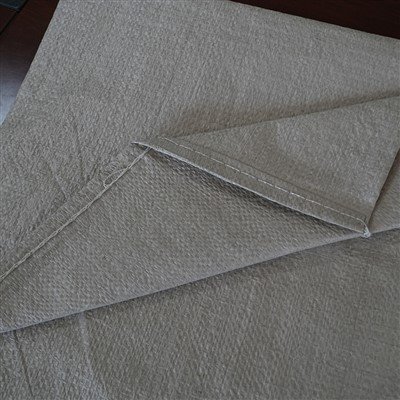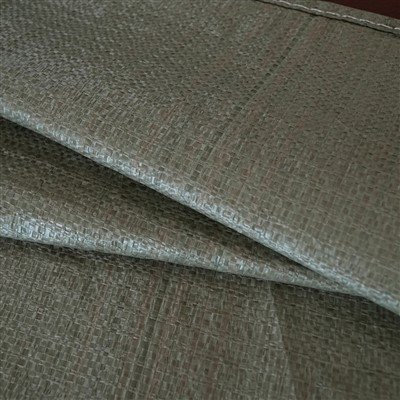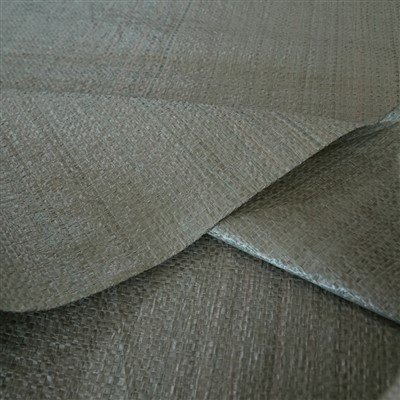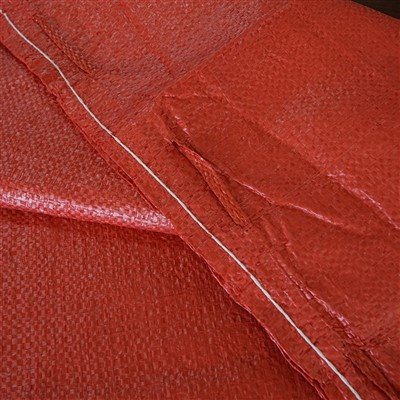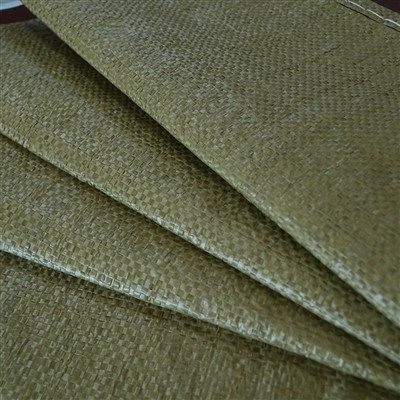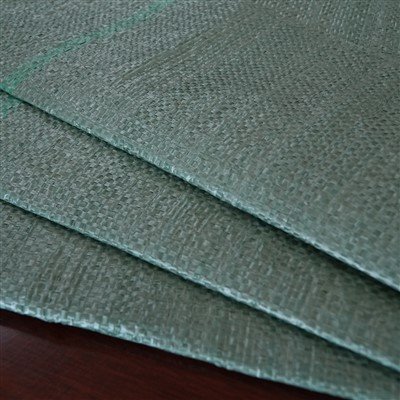

When transporting industrial woven bags, ensuring the integrity and security of the packaging is the primary requirement. Before loading, the bags should be inspected for damage, unraveling seams, or loose seals to prevent leakage or package failure during transit. Additionally, the specifications of the woven bags should be selected based on the weight and nature of the materials; ensuring the load-bearing capacity matches actual transport needs helps mitigate risks at the source.
Loading and transport operations should adhere to principles of proper stacking and balanced load distribution. Woven bags must be arranged neatly within the vehicle to avoid haphazard stacking or shifts in the center of gravity, thereby preventing collapses or crushing damage caused by vehicle vibrations or bumps. For fragile or loose materials, stacking height should be carefully controlled, and measures such as strapping or protective layering should be employed where necessary to enhance overall transport stability.
Controlling the transport environment is also crucial for ensuring the safety of industrial woven bags. During long-distance transport, adverse conditions-such as high temperatures, direct sunlight, and exposure to rain-should be avoided to prevent material degradation or moisture damage that could compromise performance. For shipments requiring extended transit times or multiple transfers, using waterproof tarps or enclosed cargo compartments can further enhance safety and reliability throughout the journey.