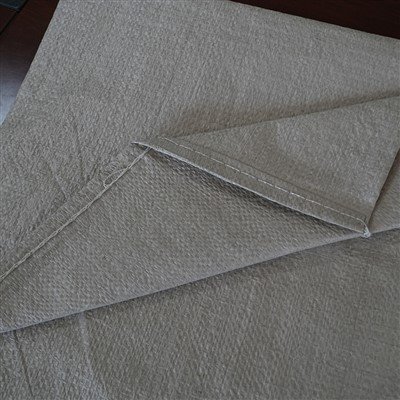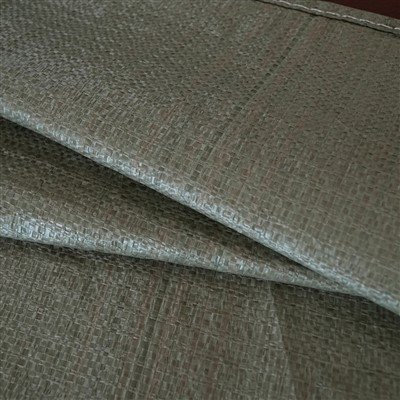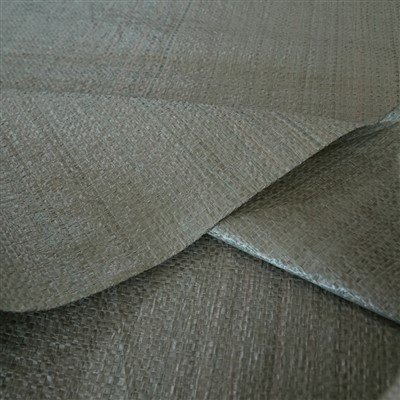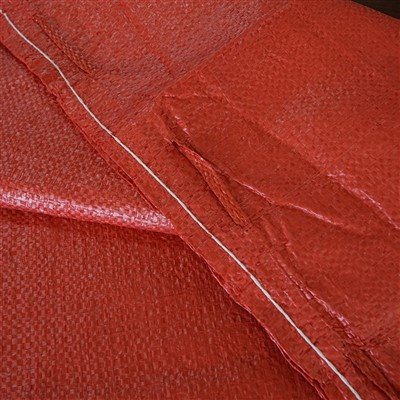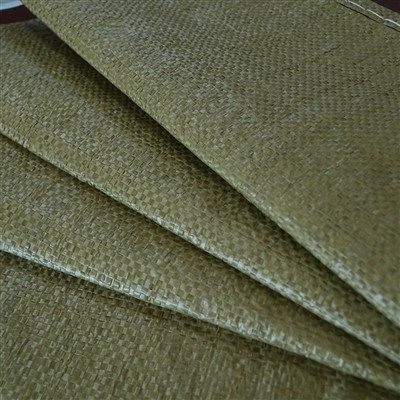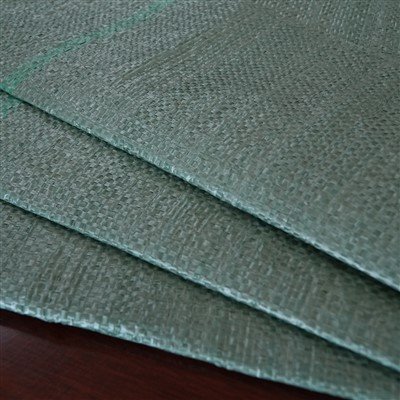

The functionality of PP woven bags relies primarily on the interlocking of polypropylene flat yarns to form a stable, mesh-like structure. Polypropylene raw material is melt-extruded and stretched to produce high-strength flat yarns, which are then woven using a circular weaving process-interlacing warp and weft yarns-to create tight connections between them. When the bag is loaded with material, the bag body distributes the load evenly across the individual yarns, thereby enhancing overall load-bearing capacity and minimizing the risk of breakage caused by excessive localized stress.
In use, PP woven bags function through a combination of the material's inherent mechanical properties and the woven structure itself. Polypropylene offers high tensile strength, abrasion resistance, and corrosion resistance, while the woven mesh structure enhances the bag's stability and flexibility. This allows the bag to withstand the stretching, compression, and friction encountered during handling, stacking, and transport without easily cracking or rupturing, effectively preserving the integrity of the contents.
For laminated or lined PP woven bags, the mechanism also includes acting as a barrier against environmental factors. The lamination layer or inner liner inhibits the ingress of moisture, dust, and other impurities, improving the package's sealing and moisture-proof capabilities-making them ideal for products requiring specific storage conditions. By combining material properties with structural design, PP woven bags-available in various configurations-fulfill multiple functions such as load-bearing, protection, and transport, leading to their widespread use in industries ranging from manufacturing and agriculture to logistics packaging.