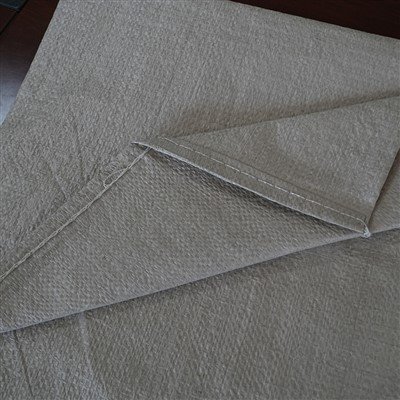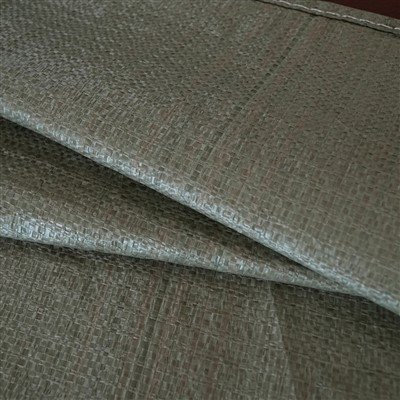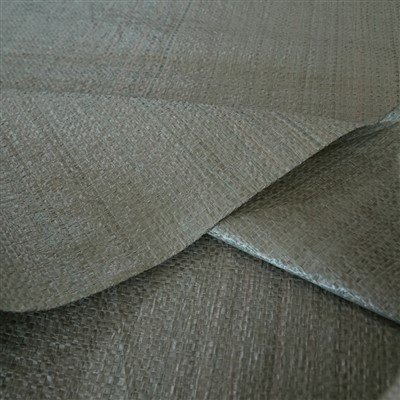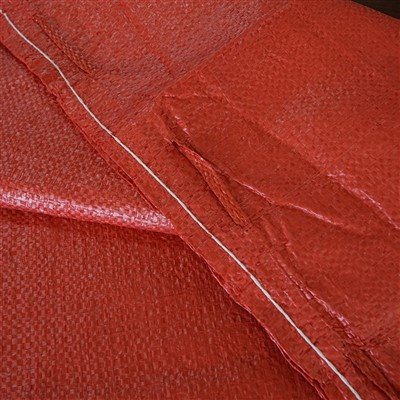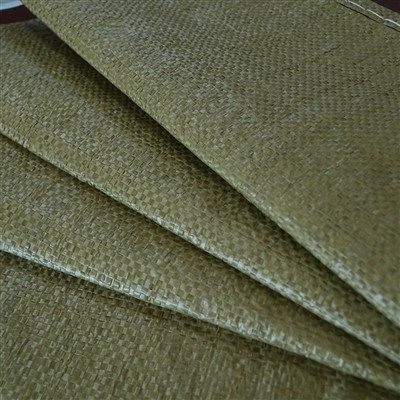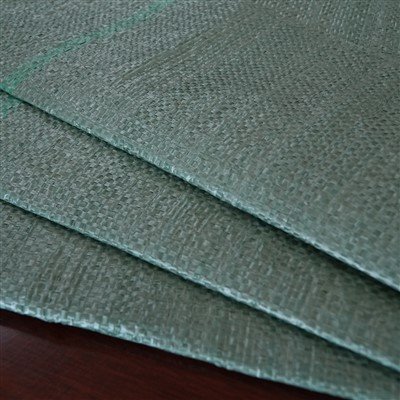

The primary material for PP woven bags is polypropylene (PP), a thermoplastic resin with excellent properties. Polypropylene is characterized by low density, light weight, high mechanical strength, and good corrosion resistance; when melted by heat, it can be processed into flat tapes and woven into packaging bags. Due to its superior overall performance and relatively low cost, it has become one of the most widely used materials in the industrial packaging sector.
To enhance the overall performance of PP woven bags, appropriate functional materials and additives are often incorporated during production, depending on the intended application. For instance, antioxidants help retard material aging and extend service life; UV stabilizers improve weather resistance, making the bags suitable for long-term outdoor storage; and color masterbatches allow for specific color and branding requirements. Although used in small quantities, these additives play a crucial role in determining the product's performance and effectiveness.
For packaging applications requiring moisture resistance, leak-proofing, or airtight sealing, PP woven bags are often used in conjunction with other materials. Common practices include laminating a layer of polypropylene or polyethylene film onto the woven fabric surface or inserting a polyethylene (PE) liner bag to improve waterproofing, moisture resistance, and sealing capabilities. This composite structure retains the high strength and abrasion resistance of PP woven bags while further enhancing protective performance, thereby meeting the diverse packaging needs of industries such as agriculture (grain), chemicals, and construction materials.