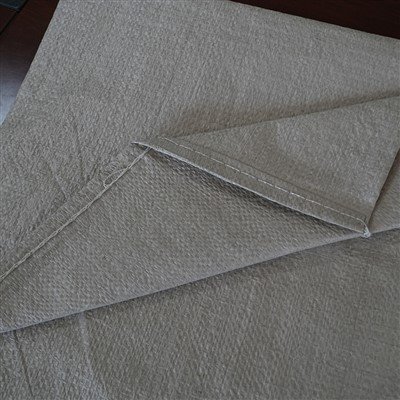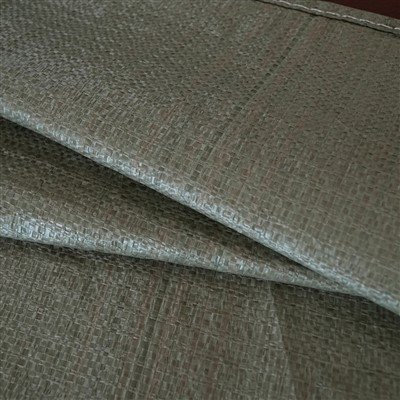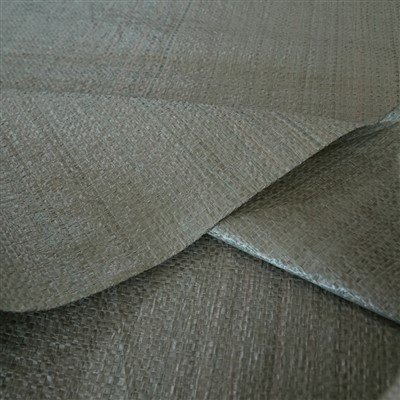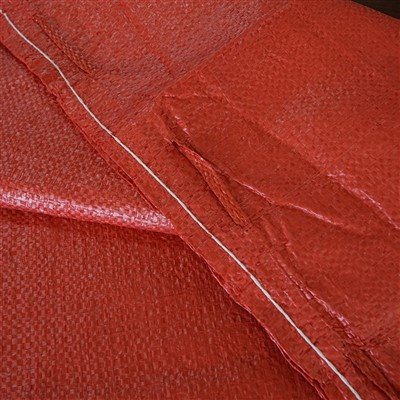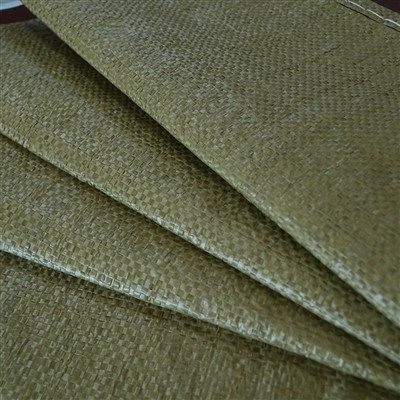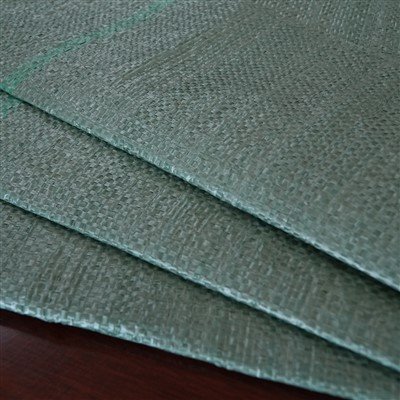

In practical applications, the most common form of PP woven bags is the tubular structure-essentially a cylindrical woven bag. This structure is created by continuously weaving fabric on a circular loom, followed by cutting and bottom-sealing processes tailored to specific requirements. Characterized by high production efficiency, excellent material utilization, and broad applicability, these cylindrical bags are widely used for packaging bulk commodities such as grain, chemicals, and animal feed.
Beyond the cylindrical design, PP woven bags also frequently appear as flat bags, which are manufactured by cutting woven fabric into sheets and sewing them together. Flat bags feature a simple structure and flexible processing, allowing for length and width adjustments to meet various packaging specifications. Commonly used for construction materials, fertilizers, and general industrial packaging, they offer excellent versatility and adaptability.
PP woven bags can also be designed with specialized configurations, such as valve-mouth or block-bottom structures. Valve bags are typically used with automated filling systems to facilitate rapid filling and sealing, making them common in industries like cement and dry-mix mortar. Block-bottom bags, meanwhile, offer superior stackability and stability after filling, thereby enhancing warehousing efficiency. These varied designs are optimized based on packaging processes, transportation methods, and operating environments to meet diverse industrial needs.