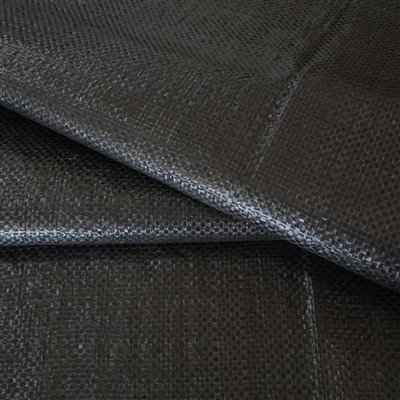

The thickness of agricultural woven bags is typically expressed in terms of the bag body's mass per unit area (grammage) or the thickness of the woven fabric itself; this is a key factor influencing load-bearing capacity and durability. In practice, the grammage of common agricultural woven bags generally ranges from 60 g/m² to 120 g/m², with different thicknesses suited to specific applications and load-bearing requirements. Greater thickness generally results in superior tensile strength and abrasion resistance, though it also entails higher material costs.
The thickness of agricultural woven bags must be selected appropriately based on the weight and characteristics of the contents. For instance, bags used for lighter agricultural products like grain or seeds typically utilize a lower grammage to minimize costs while meeting basic packaging needs. Conversely, for medium-to-heavy materials such as chemical fertilizers or animal feed, increased thickness is required to enhance compressive strength and tear resistance, thereby preventing damage during handling and stacking.
Thickness is primarily determined by the fineness of the flat yarns, the weaving density, and the lamination process. Thicker flat yarns and tighter weaving generally result in a greater overall bag thickness; additionally, the use of a lamination layer increases the apparent thickness while simultaneously improving moisture resistance. Consequently, production requires a balanced consideration of cost, performance, and the intended operating environment to optimize thickness design and control, ensuring the diverse requirements of agricultural packaging are met.