
Choosing the right packaging is important when storing or transporting bulk materials. Industrial woven bags are widely used because they offer good strength, breathability, and cost efficiency. However, bag performance can vary depending on the material, construction, and working conditions. Matching the bag to your actual application can help prevent damage, reduce waste, and protect product quality throughout the supply chain.
Key Factors to Consider
1. Material Type and Weight Capacity
Different materials place different demands on packaging. Powders, granules, and heavy aggregates may require different levels of strength and protection.
Check the material's density, particle size, and flow characteristics. Fine powders may require a tighter weave to reduce leakage, while larger particles may benefit from a more breathable structure.
Confirm the bag's safe working load (SWL) before use. Avoid loading the bag to its maximum capacity, as overloading can increase the risk of seam failure during lifting, stacking, or transportation.

2. Fabric Construction and Coating
The woven fabric and any additional coating affect the bag's resistance to moisture, abrasion, and outdoor exposure.
Standard polypropylene woven fabric is suitable for many dry materials and indoor applications. For damp conditions or outdoor storage, laminated or coated bags can provide additional moisture protection.
Anti-static properties may be necessary when handling certain powders or chemicals. Conductive or anti-static materials can help control static buildup in sensitive applications.
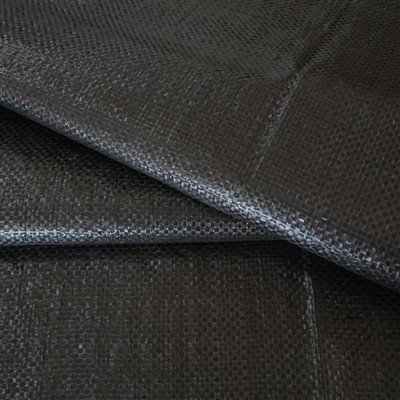
Consider the weave density as well. A tighter weave generally provides better durability and containment, while a more open structure allows greater airflow. Choose the balance that suits your material.
3. Bag Style and Closure
The right bag design depends largely on how the material will be filled, stored, and emptied.
Open-top bags are practical for manual or machine filling and can be fitted with suitable closure options after filling.
Valve bags are designed for efficient filling operations and can help reduce dust during automated packaging.
For materials that are sensitive to moisture, an inner polyethylene liner can add an extra barrier inside the woven bag. This is particularly useful for hygroscopic materials and certain food-grade products.
How to Match the Bag to Your Application?
Before placing an order, define the requirements of your packaging process.
Identify your main priorities, such as load capacity, moisture resistance, ventilation, or filling speed.
Test a small batch under actual filling, handling, and transportation conditions. This gives you a better idea of how the bags will perform in daily use.
Discuss customization options with an experienced woven bag manufacturer. Adjustments to bag size, fabric construction, thread density, liner, or closure can improve performance without adding unnecessary cost.
Consider load capacity, fabric construction, environmental conditions, and closure design before making a decision. A practical approach and small-scale testing can help prevent common packaging problems while keeping storage and transportation more efficient. By choosing specifications that match the application, businesses can improve material protection and reduce avoidable packaging costs across the supply chain.