
Farmers and small‑scale crop handlers often wonder if affordable woven sacks are safe to hold grain and seeds after harvest. Many rural farms rely on low‑cost packaging solutions, and picking the wrong bag can lead to mold, pest damage or lost seed germination rates.
Are agricultural woven bags suitable for grain storage
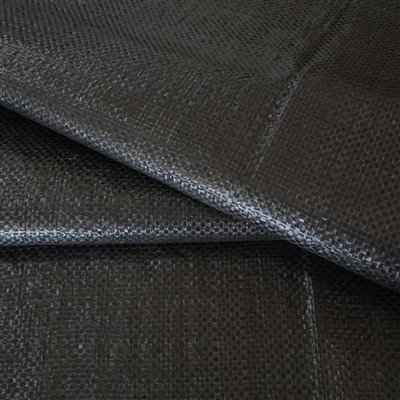
For dry, properly‑dried grain such as wheat, corn and rice, woven bags work well for short‑to‑medium‑term storage. Their woven polypropylene structure offers good breathability, stopping trapped condensation that triggers mildew. They also stand up to heavy weight during stacking and transport.
Still, these bags are not fully waterproof. If grain holds excess moisture, or storage spots suffer high humidity, grain inside can spoil. Experts note grain must reach safe moisture levels before filling bags, or even strong sacks cannot prevent spoilage.

Using agricultural woven bags for seed preservation
Seeds have stricter storage demands than bulk grain, because even small moisture shifts can kill germination ability. Standard woven bags can hold seeds, yet they often need extra accessories like inner plastic liners for best outcomes.
Without liners, loose weave lets humid air pass through. For high‑value planting seeds, simple woven sacks alone are risky for multi‑month storage. Farmers commonly combine the outer woven shell with sealed inner liners to block dampness while keeping basic airflow.
Practical tips to avoid storage losses
1. Only place fully dried grain and seeds inside. Wet stock will rot regardless of bag type.
2. Place bags on pallets above cold ground, to cut moisture absorption from floors.
3. Choose liner‑equipped sacks if you plan storage longer than two months, especially for seeds.
4. Do regular checks for holes, insect signs or damp patches; switch out damaged bags quickly.
In short, agricultural woven bags serve as a practical, budget‑friendly option for grain and seed storage, but they come with clear limits. They perform best in dry warehouses, paired with proper pre‑drying and optional inner liners. When users ignore these conditions, even high‑quality woven sacks cannot save stored crops from spoilage.