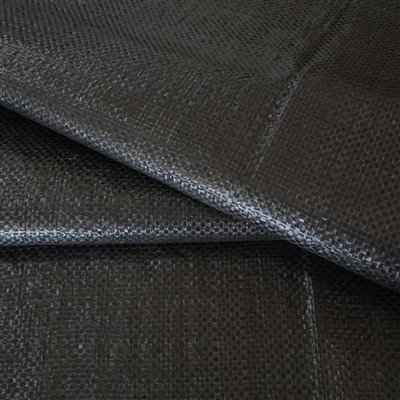

Global bulk‑goods exporters keep weighing packaging choices for cross‑border shipments. Many small‑to‑mid sized suppliers wonder if industrial woven bags hold up for overseas trade, given different import rules, long sea voyages and rough logistics handling. Real‑world shipping feedback shows they can work well for export, yet success hinges on material specs, certification and market‑specific compliance.
Core strengths for international shipment
Cost‑efficiency sits top of the list for export‑focused businesses. Industrial woven bag are lightweight yet tear‑resistant; they cut down total container weight without sacrificing load capacity for grains, minerals, fertilizer and construction raw materials. Stacking works smoothly inside shipping containers, helping exporters maximise every cubic metre of cargo space.
Most overseas buyers also value custom options. Suppliers can adjust bag thickness, add lamination, print origin and warning marks directly onto the surface. This flexibility makes it easier to match requirements from markets across Southeast Asia, the Middle East and parts of Africa.


Key compliance hurdles exporters must resolve
Strength alone will not clear customs. This is where many new exporters run into avoidable delays. Different territories enforce strict packaging regulations, covering labelling, recyclability declarations and food‑contact safety documents.
If you plan to ship to the EU, for example, your industrial woven bags need to satisfy REACH material rules. Importers in Australia and the UK ask for permanent origin marking and material composition printed on each sack. Missing these papers or markings can trigger inspection holds, extra fees, or even shipment rejection. Working with suppliers who provide SGS or third‑party test reports removes much of this risk.
Practical tips before placing large export orders
Start by confirming the exact standards of your target import country first. Do not rely only on manufacturer claims. Ask to review sample documentation ahead of mass production.
Test small trial shipments whenever possible. A small batch lets you observe how bags hold up during sea transit, stacking and port handling before you commit to thousands‑unit orders. Keep communication open with your freight forwarder too; they often know recent shifts in local import rules.
For bulk commodity exporters, industrial woven bags remain a practical export‑ready packaging pick - when paired with correct certifications and market‑aligned specifications. They will not fit every single overseas project, but for bulk solid‑cargo shipments, they deliver solid value when you get compliance details right.