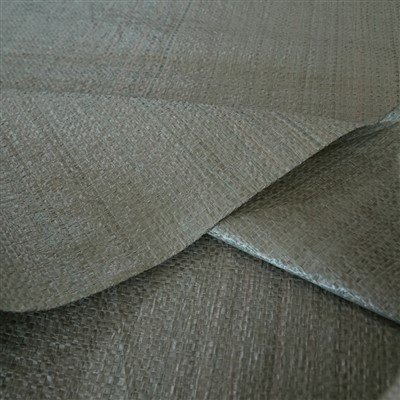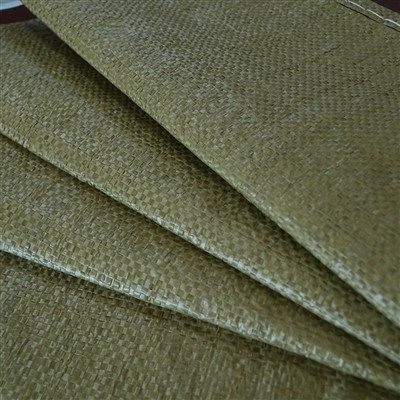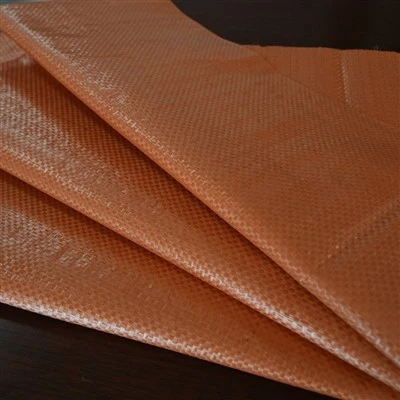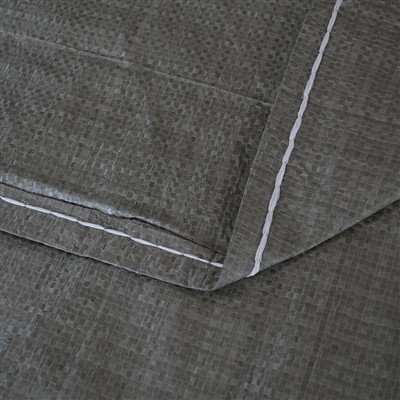


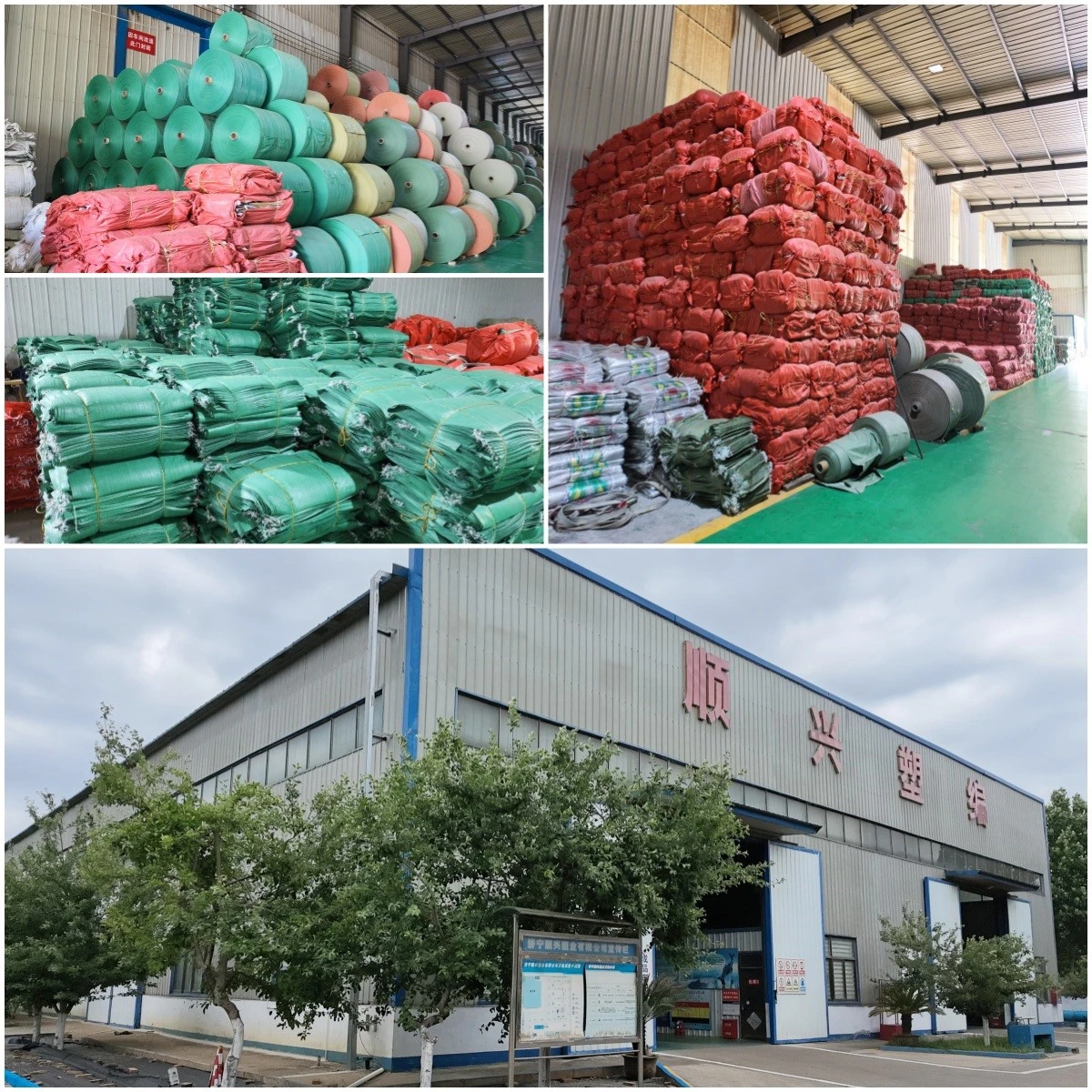
Jining Shunxing Plastics Co., Ltd. is one of the leading manufacturers and suppliers of high-capacity pp woven bags in China. If you're going to buy durable high-capacity pp woven bags made in China, welcome to get pricelist from our factory. All customized products are with high quality and low price.
Material & Construction
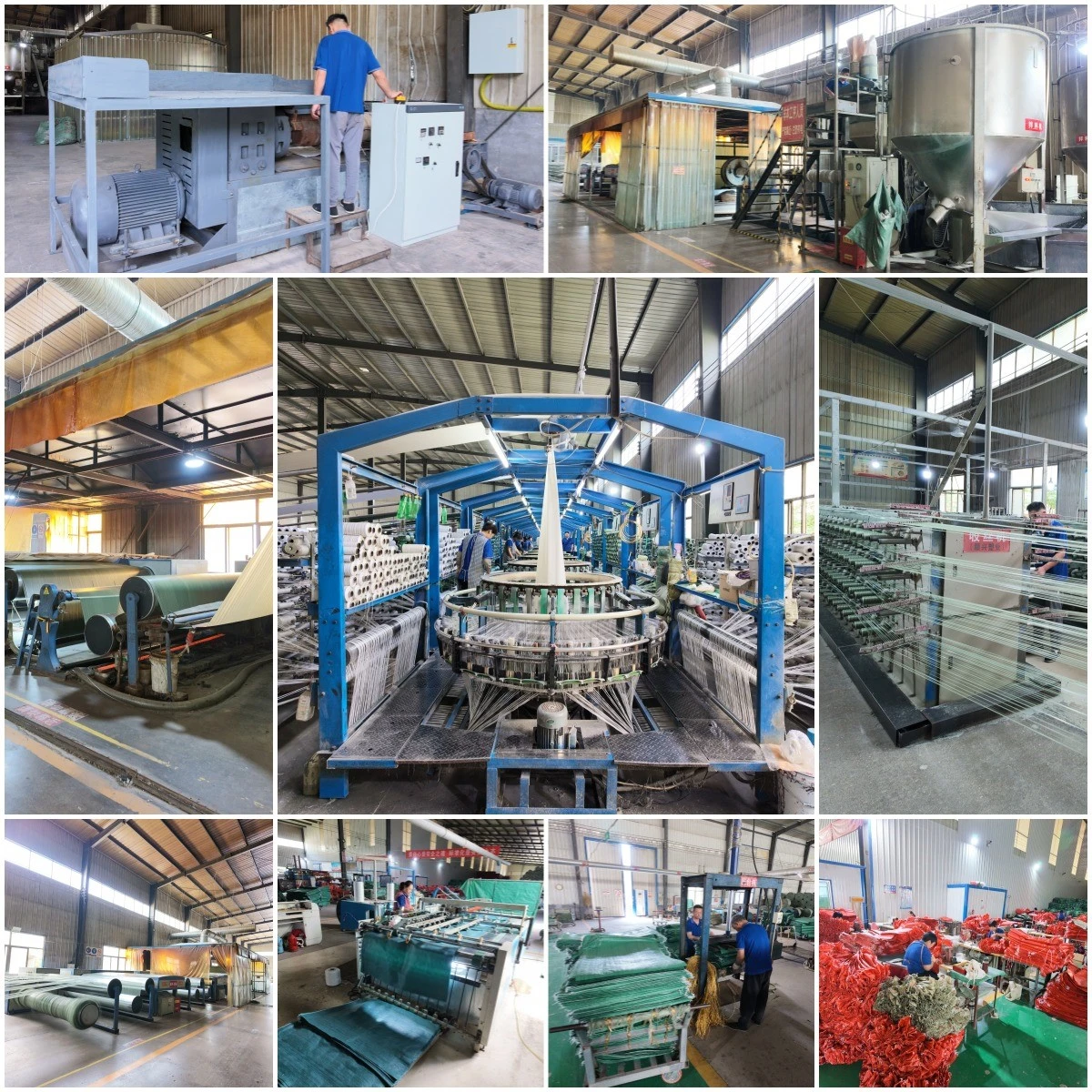
Woven Bags are manufactured using polypropylene resin that is melted and extruded into flat yarns, then woven into fabric on circular or flat weaving looms. The weaving density typically ranges from 8 × 8 to 14 × 14 threads per square inch, depending on strength requirements.
This structure provides a stable load distribution surface and reduces stress concentration at single points.
Virgin polypropylene (used when higher tensile strength and consistency are required)
Recycled polypropylene (commonly used for cost-sensitive bulk packaging projects)
In many factories, recycled PP content can range from 10% to 100%, depending on end-use requirements and buyer standards.
Additional enhancements may include:
- UV stabilizer additives (commonly designed for 200–1600 hours of UV exposure resistance, depending on formulation and testing standard)
- PE inner liners (typically 25–60 micron thickness) for moisture and dust protection
- BOPP laminated outer layer for improved print quality and abrasion resistance
Common structural configurations include:
- Circular or flat woven fabric
- Laminated / non-laminated surface
- Heat-cut, hemmed, or valve-type opening
- Single-fold, double-fold, or block-bottom construction
- Each structure is selected based on filling equipment, product type, and stacking method.
Technical Specifications
|
Item |
Specification |
|
Material |
100% Virgin PP / Recycled PP |
|
Fabric Weight |
50–150 GSM (typical industrial range) |
|
Load Capacity |
20kg – 100kg+ (depending on construction) |
|
Fabric Type |
Circular / Flat woven polypropylene |
|
Width |
30–120 cm (customizable) |
|
Length |
50–150 cm (customizable) |
|
Printing |
BOPP laminated / Gravure printing (1–8 colors) |
|
UV Resistance |
200–1600 hours (additive dependent) |
|
Moisture Protection |
Optional PE inner liner |
|
Bottom Type |
Single fold / double fold / stitched / block bottom |
Key Advantages of High-Capacity PP Woven Bags
1. High Load-Bearing Strength
Woven bags are designed with interlaced polypropylene yarns that distribute weight evenly across the fabric surface. This reduces localized stress and helps maintain structural integrity under heavy loads.
In real industrial testing conditions, tensile strength commonly falls in the range of 800–1500 N/5cm, depending on fabric density and yarn quality.
For standard applications, these bags can safely handle 25kg, 50kg, and even 100kg+ loads, provided proper sealing and stitching are used.
Short handling cycles in warehouses have also shown that failure rates remain low when stitching density is properly controlled.
2. Tear and Impact Resistance
The woven structure improves resistance to tearing and puncture damage during handling. This is particularly important in forklift operations and pallet movement.
Drop tests (typically 1.2–1.5 meters under filled conditions) are commonly used in factories to simulate transport impact. Under standard filling ratios, well-constructed PP woven bags maintain integrity without sudden rupture.
Reinforced stitching at stress points, especially near bag mouths and bottom seams, further improves durability in repeated handling cycles.
3. Moisture and Chemical Resistance
Polypropylene is naturally hydrophobic and does not absorb water. This makes PP woven bags suitable for moisture-sensitive materials such as cement, fertilizers, salt, and chemical powders.
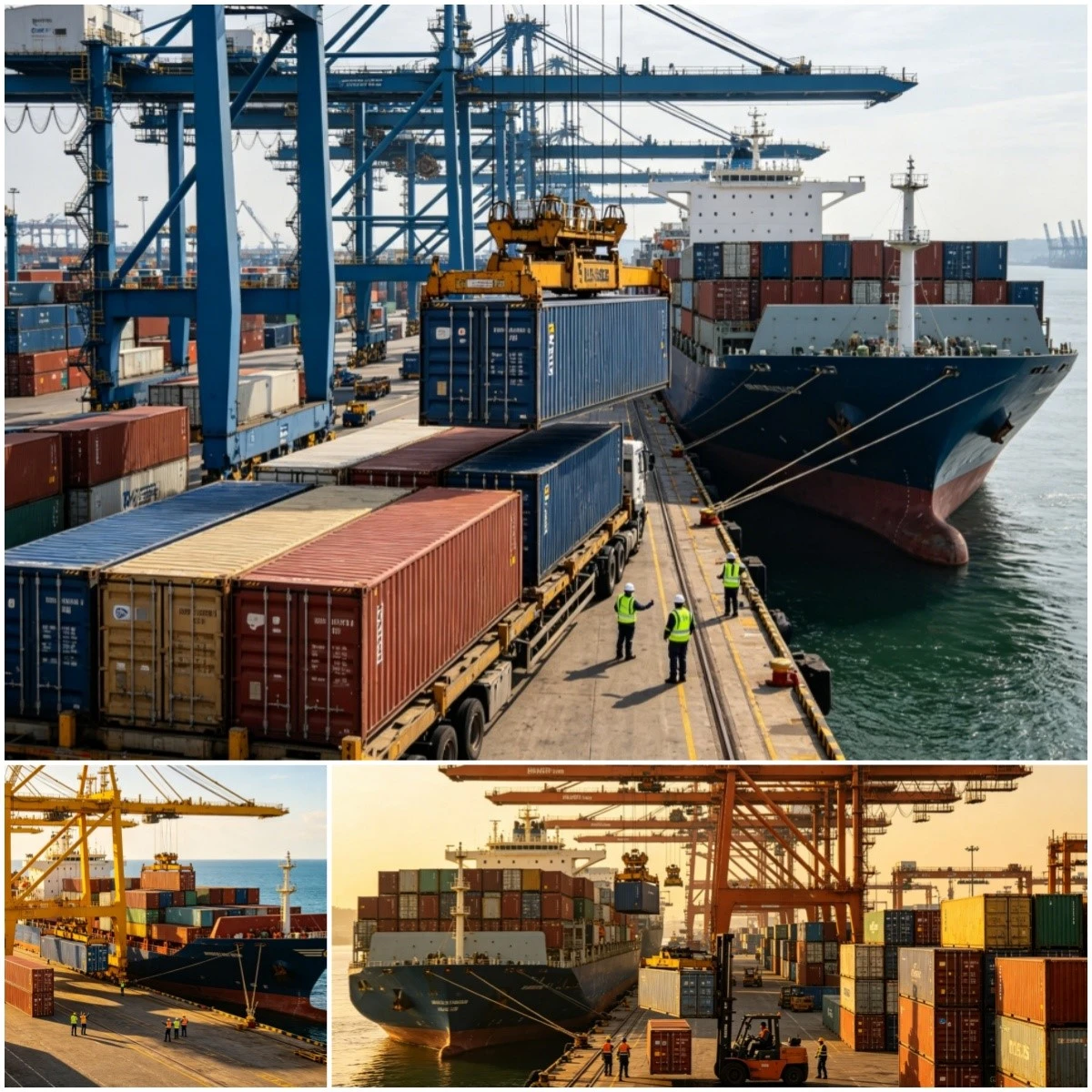
In humid environments such as Southeast Asia or coastal ports, PE liners are often added to reduce condensation-related damage during container shipping.
Depending on liner thickness and sealing method, moisture protection can significantly improve storage stability for up to several months under warehouse conditions.
4. UV Stability for Outdoor Storage
When UV stabilizers are added during production, PP woven fabric can withstand outdoor exposure without rapid degradation.
Typical UV resistance ranges from 200 to 1600 hours, depending on additive concentration and exposure conditions. In port storage scenarios, this helps maintain bag strength during extended stacking periods under sunlight.
However, long-term outdoor exposure beyond designed UV ratings may still lead to gradual material weakening, so usage environment should always be considered.
5. Cost Efficiency in Large-Scale Packaging
One of the main advantages of PP woven bags is their cost-performance ratio.
Compared with kraft paper bags or jute sacks, PP woven bags typically offer:
- Lower unit cost in mass production
- Longer usable lifespan in logistics cycles
- Reduced breakage and product loss rates
In large-volume operations (e.g., fertilizer exports or grain distribution), this often translates into measurable savings in total packaging cost per ton.
Some logistics users also reuse bags in internal warehouse circulation systems, further improving lifecycle value.
6. Custom Branding and Printing Options
Woven bags support advanced printing technologies such as BOPP lamination and gravure printing.
Up to 8-color printing is commonly available, allowing detailed branding, usage instructions, barcodes, and QR codes.
In export markets, clear printed labeling also helps with customs handling and warehouse identification, reducing operational errors during sorting and shipment.
Services
We provide full support for global buyers of High-Capacity PP Woven Bags, including:
- OEM & ODM customization based on packaging requirements
- Free samples for strength and quality evaluation before bulk order
- Incoming material inspection and in-process quality control
- Standard production lead time of approximately 15–30 days (order dependent)
- Export documentation support (CO, CI, PL, inspection reports, etc.)
- Packaging structure and printing design consultation
- 24-hour customer service response for order and logistics support
Hot Tags: high-capacity pp woven bags, China high-capacity pp woven bags manufacturers, suppliers, factory, 200kg Woven Bag, 50gsm Woven Plastic Bag, 50kg Woven Bag, High Load Bearing PP Woven Bags, Polypropylene Woven Packaging Bags, Woven Bags Made From Virgin Material