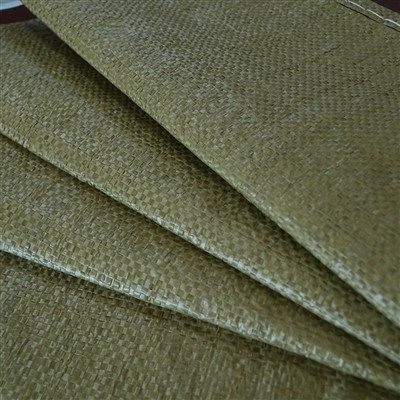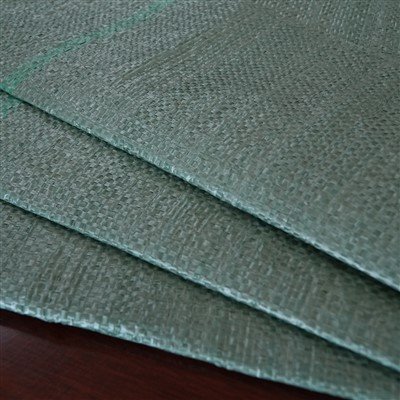

The production of PP woven bags typically utilizes polypropylene (PP) granules as the primary raw material. First, the granules are fed into an extruder, heated, and melted; the melt is extruded through a die to form a film, which is then slit into flat tapes of uniform width. These tapes undergo a heat-stretching and orientation process to align their molecular chains more regularly, thereby enhancing tensile strength and toughness. After stretching, cooling, and winding, the tapes serve as raw material for the subsequent weaving stage.
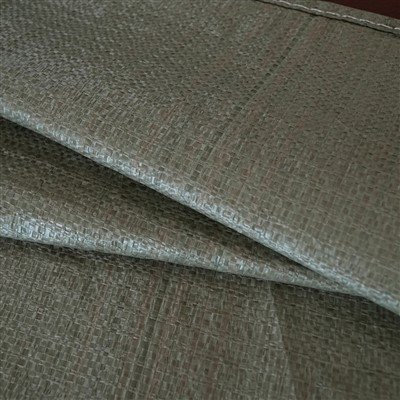
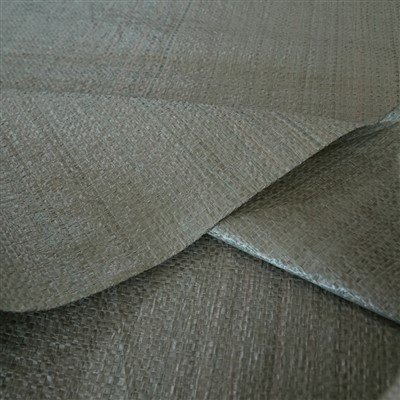
The wound polypropylene tapes are then fed into a circular loom for weaving. The machine interlaces warp and weft tapes to create a tubular woven fabric with specific density and strength characteristics. Once woven, the fabric is cut to product specifications and may undergo additional processing-such as lamination, printing, or the insertion of liners-to improve moisture and water resistance or to meet product labeling requirements.
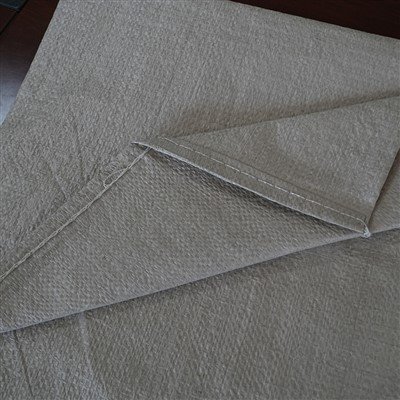
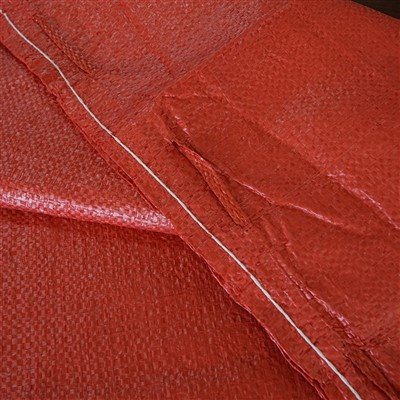
Finally, the cut fabric enters the bag-making stage, where operations such as hemming, bottom sewing, and top sewing are performed to produce PP woven bags of the required dimensions. The finished bags undergo inspections covering appearance, dimensions, load-bearing capacity, and stitching quality to ensure compliance with relevant standards. Upon passing inspection, the bags are packaged and warehoused, ready for transport and sale. The entire production process features a high degree of automation and continuous operation, resulting in high efficiency and consistent product quality.