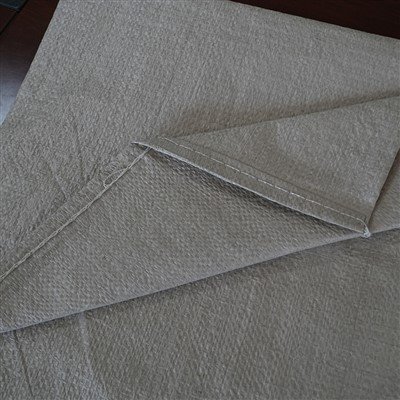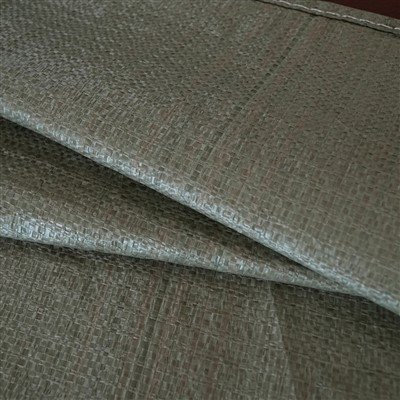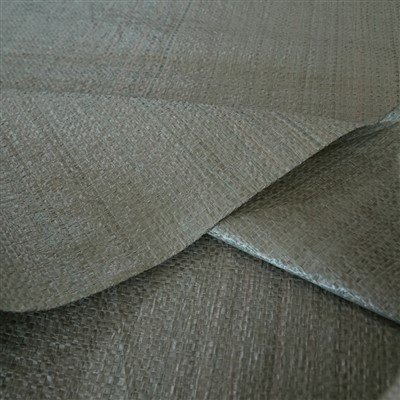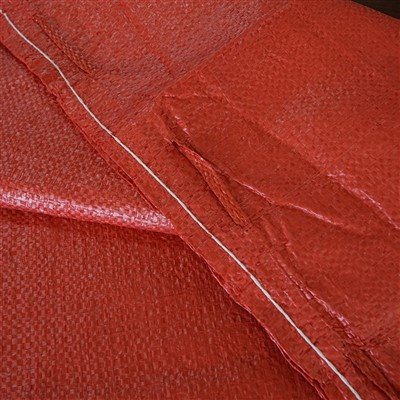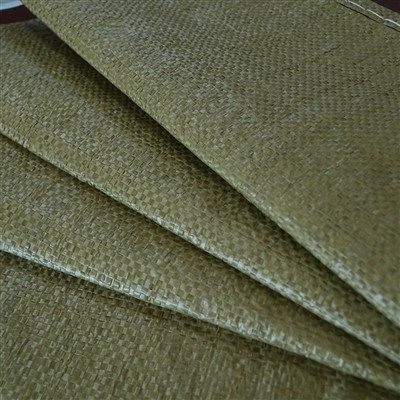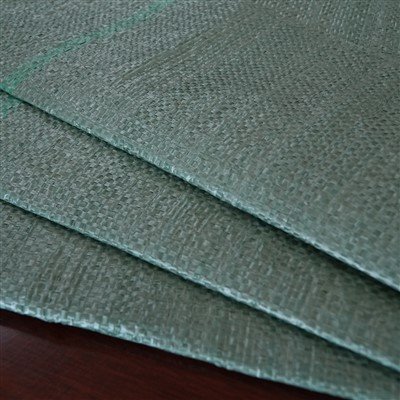

The "density" of agricultural woven bags typically refers to the warp and weft density of the woven structure-specifically, the number of warp and weft strands per unit area. This parameter directly influences the bag's strength, flexibility, and overall load-bearing capacity. In manufacturing, this density is generally expressed in terms such as "strands per 10 cm" or "strands per square meter," with specific density ranges selected based on the load requirements of the intended agricultural application.
Designing the density of agricultural woven bags requires balancing strength against cost. For lighter loads such as grain or seeds, a relatively low warp and weft density suffices to meet basic operational needs. Conversely, for heavier loads like chemical fertilizers or animal feed, the weaving density must be increased to enhance structural stability and prevent deformation or breakage during handling and stacking.
During production, density is also influenced by factors such as the thickness of the raw material tapes, loom tension, and the specific weaving process. Excessively low density results in insufficient bag strength and a higher risk of breakage, while excessively high density increases material consumption and production costs, as well as reducing breathability. Consequently, manufacturers typically optimize designs based on specific agricultural use cases to achieve a reasonable balance between performance and cost-effectiveness.