
Grain is often moved several times between farms, warehouses, and processing plants. Bags need to withstand lifting, stacking, and loading without splitting or spilling their contents. Choosing the right packaging helps reduce product loss during transport.
Why Use Woven Bags for Grain?
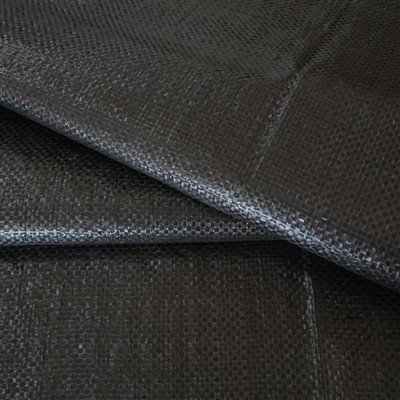
Most agricultural woven bags are made from polypropylene (PP). The woven fabric is lightweight and strong enough for many dry agricultural products, including wheat, corn, rice, and barley.
Bag strength depends on fabric weight, weave density, dimensions, and stitching. Buyers should check these details against the intended filling weight rather than judge the bag by appearance.
What Matters During Daily Handling?
Bags may rub against pallets, warehouse floors, and other packages. Rough surfaces can damage the bottom corners and seams, especially when bags are dragged instead of lifted.
The bag size also matters. Oversized bags can be difficult to carry when full, while clear printing helps workers identify product types, batches, and destinations.
Do Buyers Need Coated Bags?
Uncoated bags are suitable for many dry products. Coated fabric or an inner liner can provide additional protection against moisture or fine-particle leakage, depending on the design.
However, ordinary woven bags are not waterproof. Grain must be properly dried before packing, and storage conditions still need attention. Condensation and damp grain can cause problems even when lined bags are used.

What Should Buyers Check?
Before ordering, procurement teams should confirm:
Size and capacity: Match the bag to the product and filling weight.
Fabric weight: Choose material suitable for expected handling.
Stitching: Check the bottom and side seams.
Surface treatment: Decide whether coating or a liner is needed.
Printing: Confirm the artwork and product information.
Packing method: Consider how empty bags will be stored and shipped.
Heavier fabric may improve strength, but it also adds material cost and weight. The goal is to choose a suitable specification, not simply the thickest fabric available.
Who Uses These Bags?
Agricultural woven bags are commonly used by farms, grain traders, feed producers, and agricultural distributors. They are a practical option for businesses that need lightweight packaging for dry products.
Before placing a bulk order, buyers should check the filling weight, handling method, and storage environment. These details help prevent avoidable packaging problems during delivery.